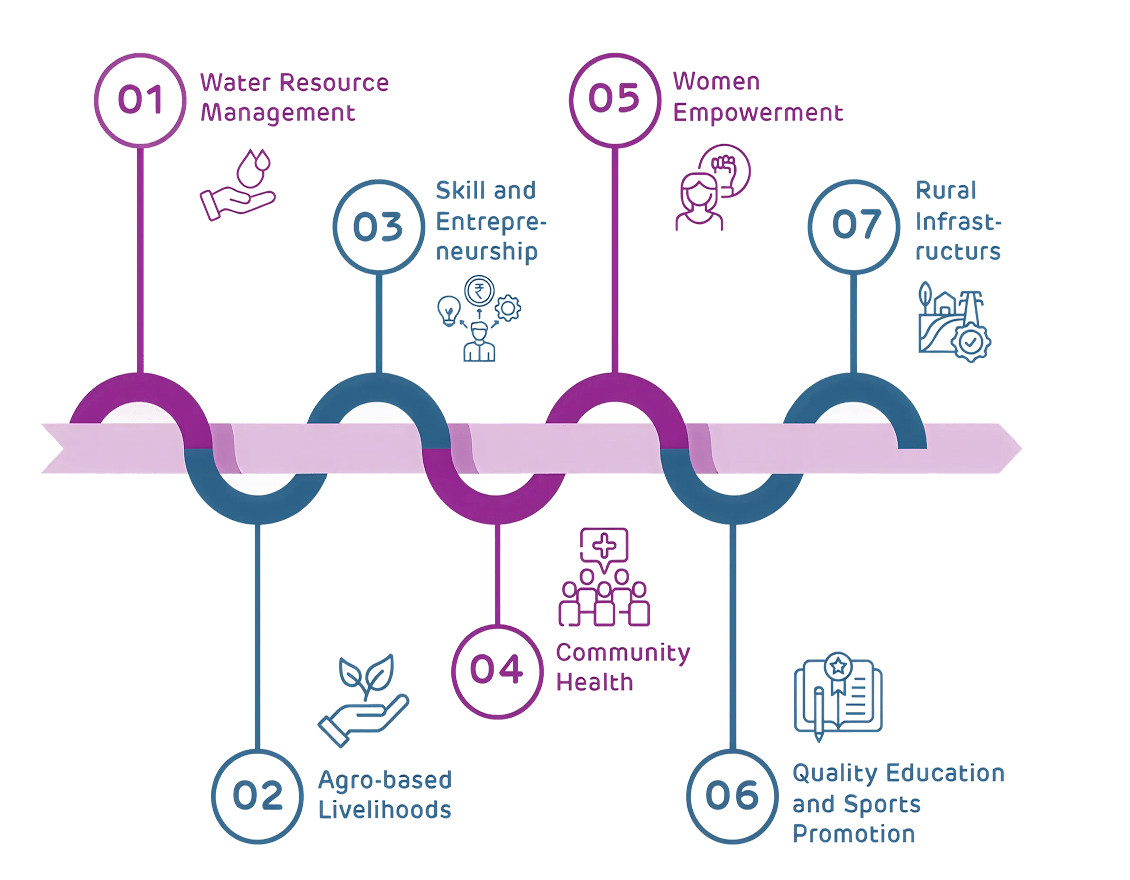
Strategic Focus in Community Engagement
.ashx)
Water Resource Management
To support water security, we have adopted a strong water resource management approach. This includes providing access to safe drinking water, encouraging rainwater harvesting, and promoting careful use of water. Active engagement with stakeholders plays a key role in effective monitoring, driving improvements in both community water security and the Company’s water-positive status.Rooftop rainwater harvesting systems (RRWHS) installed
Check dams constructed
New drinking water structures created
Farm ponds developed
Awareness camps held on water resource management
Ponds revived
Agro Based Livelihoods
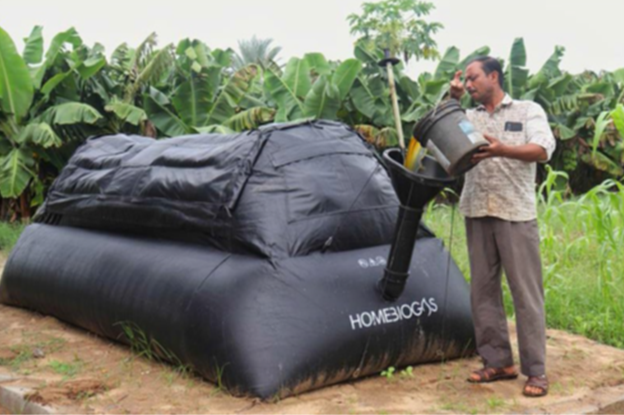
The Company promotes sustainable agricultural practices and modern technologies to enhance productivity and income for rural communities. Key initiatives include building farmer awareness and capacity in areas such as crop diversification, efficient water use, and the adoption of innovative tools like drone technology. Programmes such as the Better Cotton Initiative, organic farming, and the System of Rice Intensification (SRI) help reduce input costs while increasing yields in an environmentally responsible way.hectares brought under micro-irrigation
Farmer Producer Organisations (FPOs) formed with 9,261 shareholders, including 33% women participation
Skill and Entrepreneurship Development
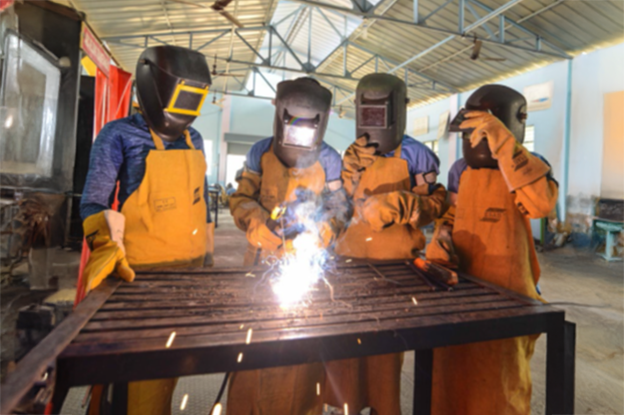
Ambuja Cements is committed to empowering rural youth by providing skill training and creating alternative livelihood opportunities in remote areas. Through 15 Skill and Entrepreneurship Development Institutes across 10 states, we have supported 7,770 students this year, achieving an impressive 76% average placement rate. A core focus of these institutes is enhancing employability and entrepreneurship. We also prioritise gender inclusion, with a significant number of women participating in technical courses—reinforcing our commitment to diversity, empowerment, and inclusive growth.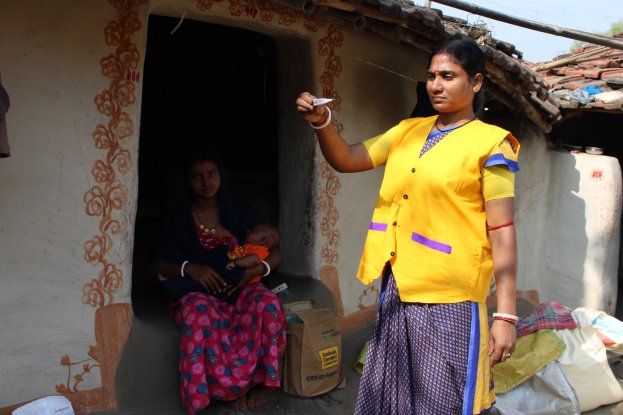
Community Health
We provide health care through a holistic approach that includes curative, preventive, and promotive care. The Company’s health initiatives address key areas such as maternal, child, and adolescent health, nutrition, sanitation, and the prevention and management of both communicable and non-communicable diseases. Key programmes include: Community clinics and behaviour change support groups; Village health volunteers (Sakhis) who connect people with essential healthcare services; Expansion of the ‘Atmiyata’ mental health project and Promotion of access to Ayushman Bharat health insurance.ANC (Antenatal Care) camps benefitting 4,963 pregnant and lactating women through the Mother and Child Health programme
Specialty camps reaching 27,104 people
Truckers and allied workers engaged through health activities
Community members benefitted from curative health services, including telemedicine, community clinics, and diagnostics
Non-Communicable Disease camps benefitting 33,500 individuals screened under NCDs
WASH awareness sessions held in schools
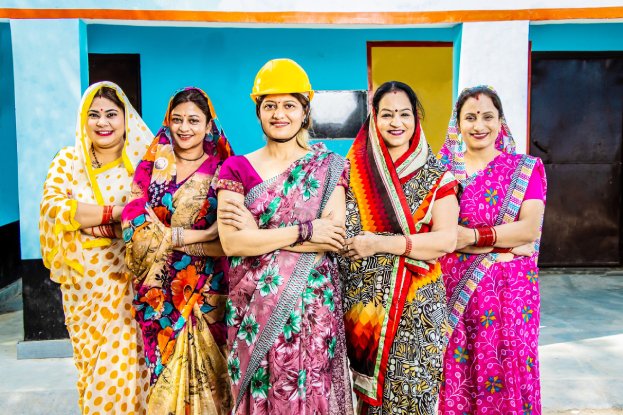
Women Empowerment
As part of our commitment to women’s empowerment and inclusion, we are focused on strengthening and expanding Self-Help Groups (SHGs) to enhance women’s social and financial independence. This year, the emphasis has been on scaling up SHGs to support enterprise development and create sustainable livelihood opportunities for women. In collaboration with the National Bank for Agriculture and Rural Development (NABARD), the Company has facilitated access to financial support through Joint Liability Groups (JLGs).New SHGs formed, bringing the total to over 3,258
Capacity building sessions held to strengthen SHGs
Women benefitted from income generation activities
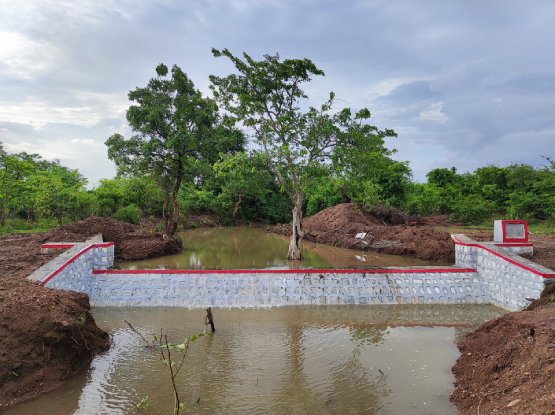
Rural Infrastructure
The Company places strong emphasis on developing essential infrastructure in its core villages. By investing resources and working closely with local governing bodies and community members, we ensure that need-based infrastructure projects are effectively planned and implemented. This collaborative approach helps uplift overall living conditions and supports long-term community development.Installation of streetlights, including solar-powered
Road constructed or renovated, including gravel road
Drainage constructed or repaired
Units construction or renovation including Anganwadis, School Boundary Wall, Community Hall, Health Centre, Gaushala Parapet Wall, and Public Toilet